
Advancing the Standard for NGS in Oncology
Cancer care is shifting from one-size-fits-all treatment toward precision medicine – understanding each patient’s disease at the molecular level. Advances in next-generation sequencing (NGS) have made this possible, but also raises the stakes for consistent workflows that ensure reliable, high-quality patient care.
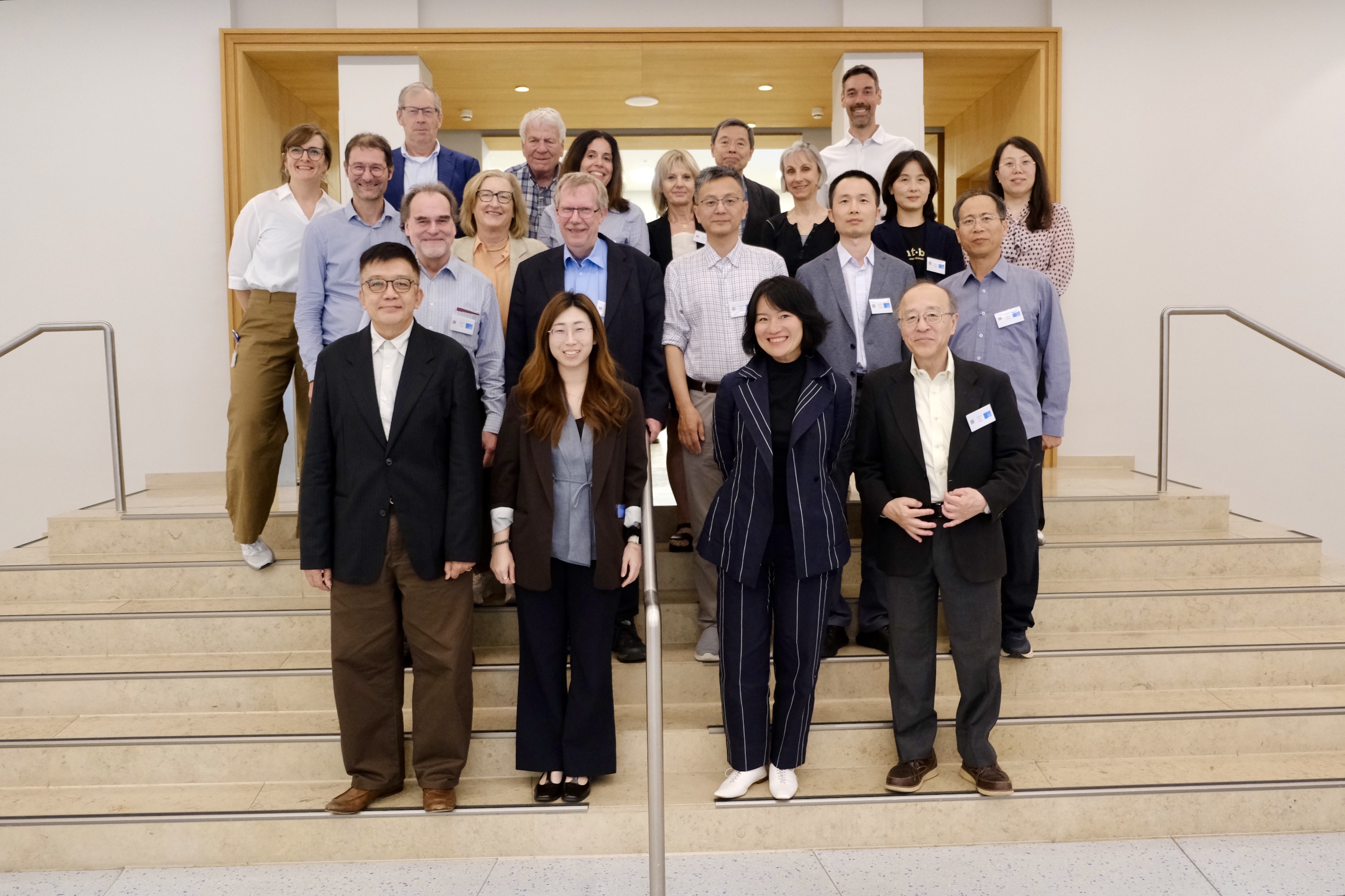
Singapore is leading an initiative developing ISO/TS 25725 — Design and Workflow Requirements for NGS-Based Oncology Applications — a technical specification document that will guide how NGS is used across cancer screening, diagnosis, and treatment monitoring. International experts gathered at DIN (Deutsches Institut für Normung) in Berlin, Germany, from 10 to 12 June 2026 for the 31st ISO/TC 212/WG 4 (Microbiology and Molecular Diagnostics) Meeting to continue developing the standard.
Singapore is leading the development of the Technical Specification (TS) through Dr Yiu-Lian Fong, Project Leader of ISO/TS 25725. The project team draws on experts from across the world – including China, France, Germany, Japan, the Netherlands, Russia, Spain, the UK, and the US – reflecting the breadth of international consensus behind the standard. Within that team, Singapore is especially represented by scientists from Mirxes Pte Ltd and SingHealth, who contribute extensively to drafting the backbone of the document, and partner closely with experts from Beijing Genomics Institute (BGI), China to shape the specification’s technical foundations.
Ahead of the formal Working Group (WG) meeting, the international project team convened on 9 June to review the latest draft, resolve outstanding technical comments, and prepare for discussions with WG 4 members.
Defining the Scope for the Next Stage

Three days of discussion in Berlin moved the standard forward. The WG 4 worked through the specification’s scope and structure in detail, sharpening its focus so the draft is clearer and better defined for the labs that will eventually rely on it.
That work culminated in an important milestone: the completion of the specification’s first draft, advancing ISO/TS 25725 from Approved Work Item (AWI) to the Working Draft (WD) stage — opening the document to review, with international experts now able to submit comments through ISO ballots.
Expanding Singapore’s Impact Across Molecular Diagnostics

The collaborative efforts in Berlin were not limited to a single standard. Alongside discussions on ISO/TS 25725, WG 4 reviewed progress across a broad spectrum of ongoing work items in molecular diagnostics and antimicrobial susceptibility testing. Singapore’s head of delegation – Dr Adrian Yeo from Singapore Polytechnic remained at the forefront of these efforts. He has made contributions to the development and advancement of ISO/AWI 16782 and ISO/AWI 20776-1 to their next stages, while his input on ISO/CD 21474-4 helped sharpen the writing in the document ahead of its recommended step up to Draft International Standard (DIS) stage.
The Journey Continues
The momentum built in Berlin will soon move closer to home. Building on the progress achieved in Germany, the next ISO/TC 212/WG 4 meeting is scheduled to take place in Singapore from 20 to 22 October 2026, running alongside the prestigious 31st ISO/TC 212 Plenary Meeting. As host, Singapore will have a front-row seat as WG 4 reconvenes to review the updated Working Draft of ISO/TS 25725. The upcoming sessions will provide a critical opportunity for global experts to advance ongoing work items and push several key molecular diagnostic projects closer to their final development stages.

Beyond the technical agenda, the meeting is also an opportunity to build on the close working relationships formed with international experts throughout this standardisation effort — relationships Singapore looks forward to maintaining as the project moves into its next phase.
The CoRE-SDO Secretariat Team also is dedicated to supporting Singapore’s participation in international standard-setting efforts, ensuring the country’s technical contributions translate into lasting influence and that Singapore’s voice in medical laboratory standards development remains strong.
Get Involved
Interested in becoming one of our partners? Learn more here and find out how to join the BHSC community.